15 years of karaoke machine manufacturers, providing one-stop solutions!


Wireless Microphones: Handhelds, Lavaliers, Headsets, and Combination Systems
Wireless microphones enable performers to move freely without being restricted by cables, making them ideal for musicians, teachers, corporate meetings, and places of worship. If you're considering a wireless system for your school, theater, or karaoke bar, this guide will help you select the best system for your needs, including the Gaodas Karaoke Mic.
Basics of Wireless Microphone Systems
Wireless microphone systems consist of two main components: a transmitter and a receiver. The transmitter, which can be handheld or body-worn, sends the audio signal wirelessly to the receiver. The receiver captures the signal, converts it to audio, and transmits it through a cable to a mixer or amplifier. Handheld wireless microphones integrate the transmitter into the microphone itself, while lavalier and headset mics typically use a bodypack transmitter.
Types of Wireless Microphones
1. Handheld Microphones: These look similar to wired mics but have a built-in transmitter in the handle. They are excellent for vocalists and public speakers.
2. Lavalier (Clip-On) Microphones: Small and discreet, these mics clip onto clothing and are paired with a bodypack transmitter. Ideal for presentations and theatrical performances.
3. Headset Microphones: Worn on the head, these mics often use a bodypack transmitter or have the transmitter integrated into a neckband, providing hands-free operation.
4. Combination Systems: These come with multiple types of transmitters, such as both handheld and lavalier mics, but be cautious as some have only one receiver channel, preventing simultaneous use of both mics.
Running Multiple Wireless Microphones Simultaneously
To use several wireless microphones simultaneously, each must operate on a different frequency to avoid interference. Frequency-agile systems allow users to select from various frequencies to find an open channel. Dual systems are designed for two mics, running both on separate channels concurrently.
Fixed-Frequency vs. Frequency-Agile Systems
1. Fixed-Frequency Systems: Operate on a predetermined frequency band, suitable for fixed installations in a single venue.
2. Frequency-Agile Systems: These can scan and select an open frequency, making them ideal for use in multiple locations where interference might vary.
VHF vs. UHF Bands
1. VHF (Very High Frequency): Ranges from 49-216 MHz. More affordable but with fewer channels and longer antennas.
2. UHF (Ultra High Frequency): Ranges from 450-952 MHz, with shorter antennas and more available channels, making it the professional standard. Diversity receivers in UHF systems improve reception but be mindful of potential interference from TV stations and reallocated frequencies.
2.4 GHz and 5.8 GHz Bands
1. 2.4 GHz Band: Offers worldwide license-free operation and short antennas, best for 1-2 channels. Crowded with Wi-Fi and Bluetooth devices, it supports up to 4-8 channels in optimal conditions.
2. 5.8 GHz Band: Provides a larger spectrum with fewer devices, minimizing dropouts. Some systems can switch between 2.4 GHz and 5.8 GHz for flexibility.
Analog vs. Digital Wireless Microphones
1. Analog Systems: Traditional wireless mics, more affordable but with limited dynamic range.
2. Digital Systems: Convert audio to digital signals for superior clarity and dynamic range. High-end digital systems combine UHF transmission with digital audio, offering excellent sound quality and high channel counts, such as the Sennheiser EW-D and Shure SLX-D systems.
Handheld Wireless Microphone Systems
Handheld wireless mics are ideal for vocalists, featuring cardioid or hypercardioid pickup patterns that minimize feedback. Dual-channel systems allow two singers to perform simultaneously with separate microphones and a single receiver.
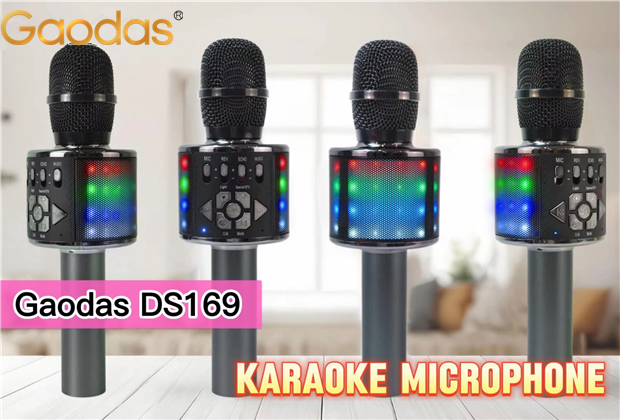
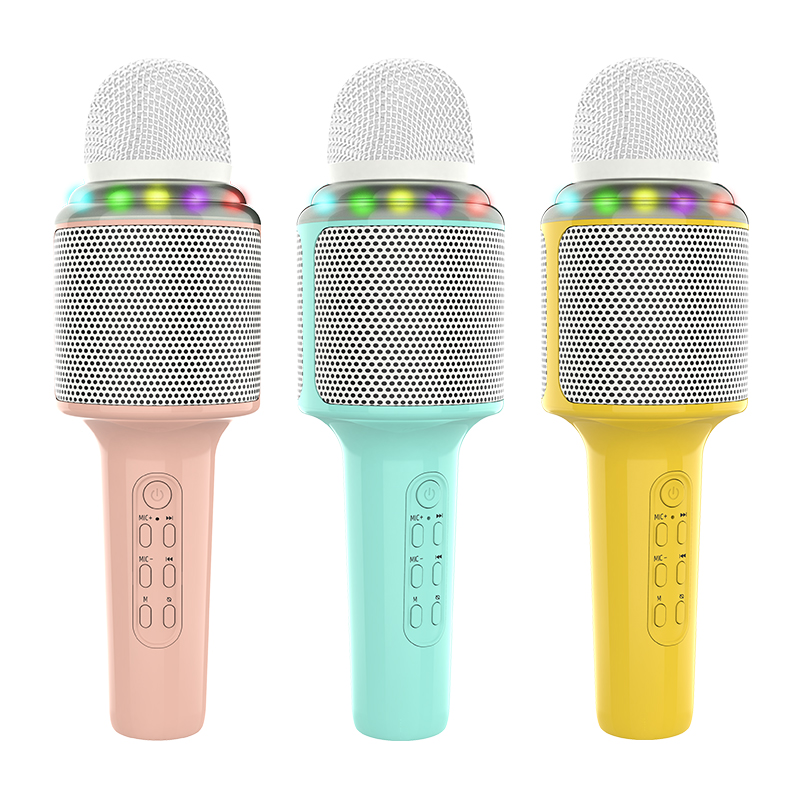
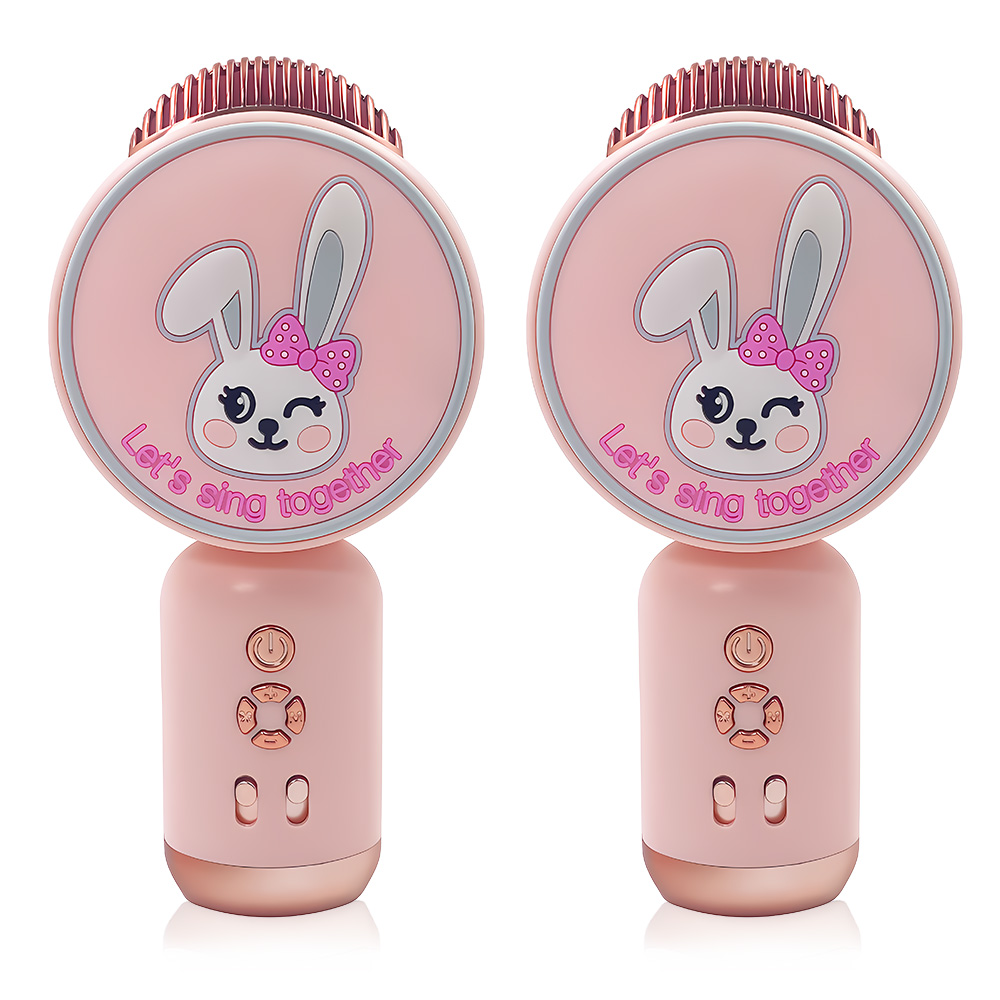
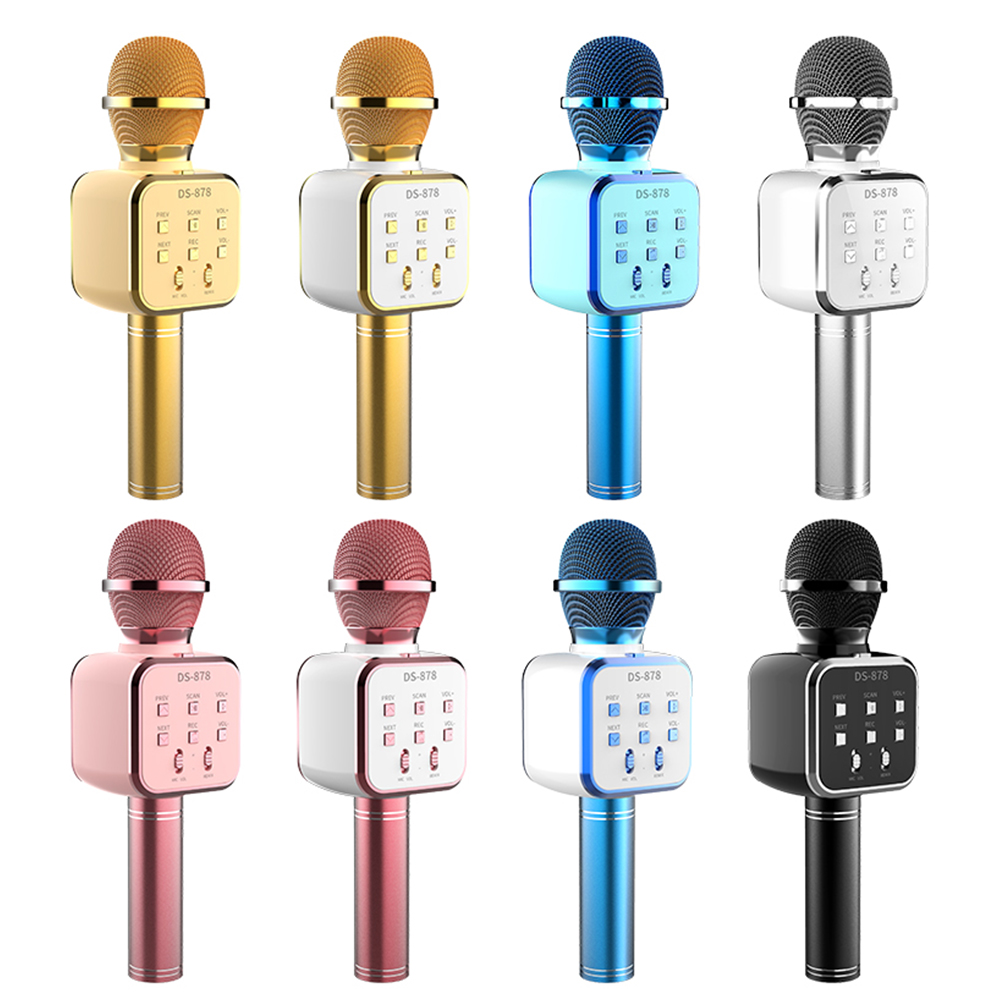
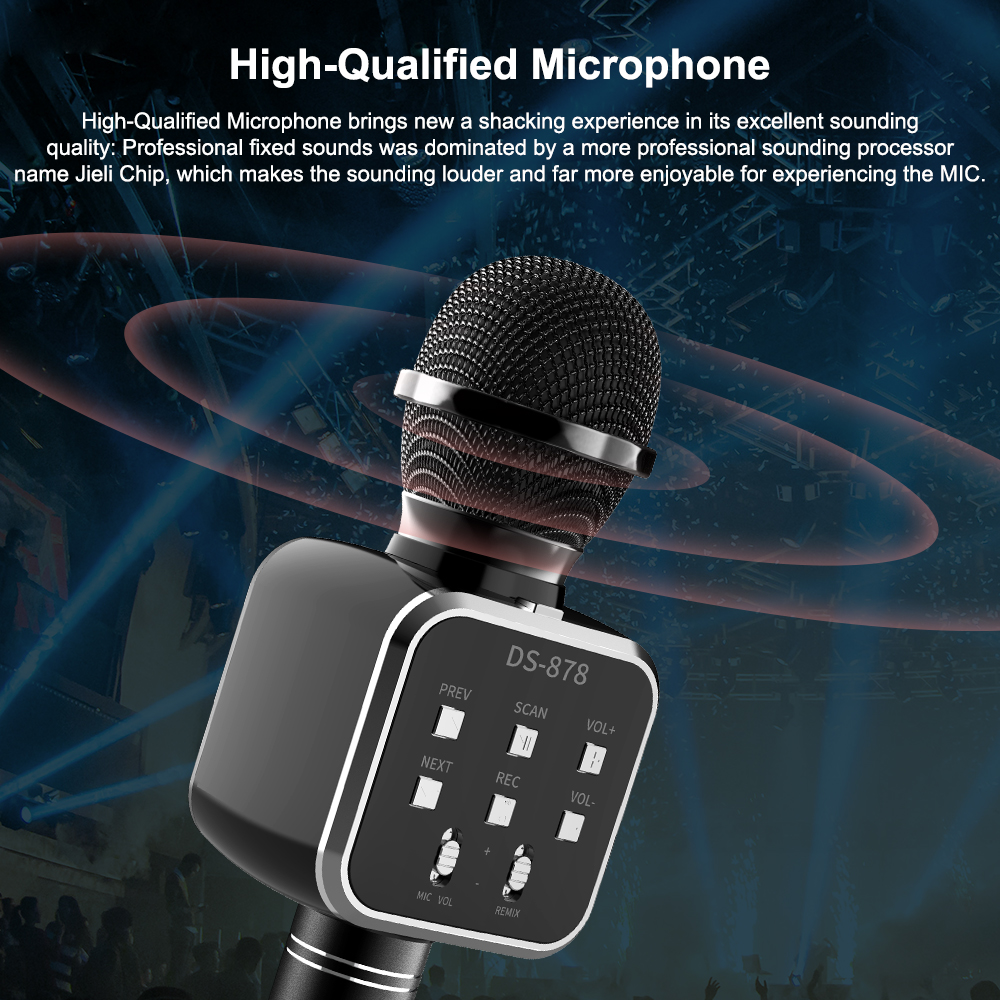
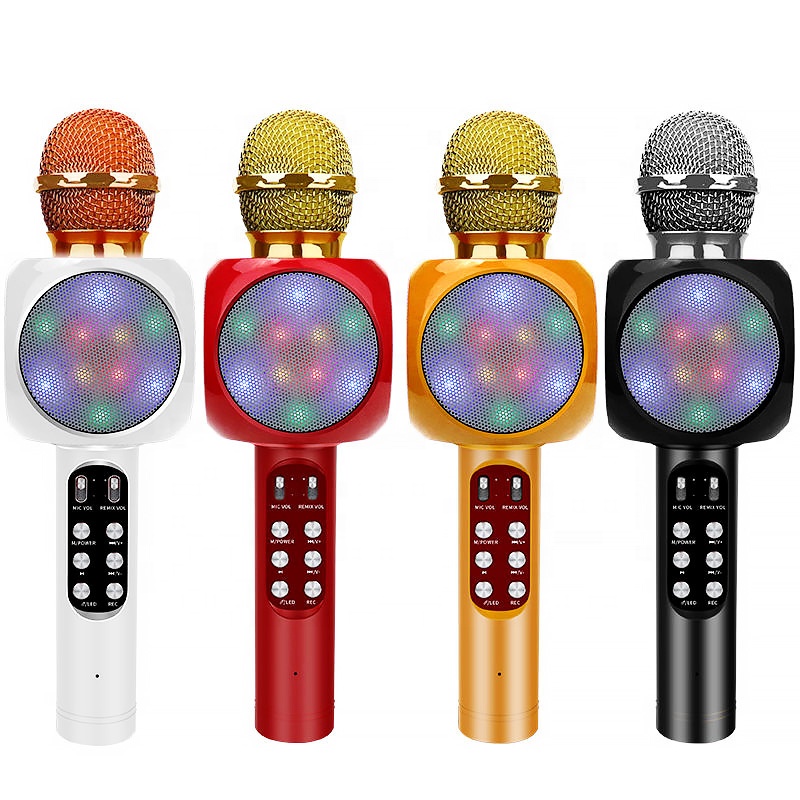
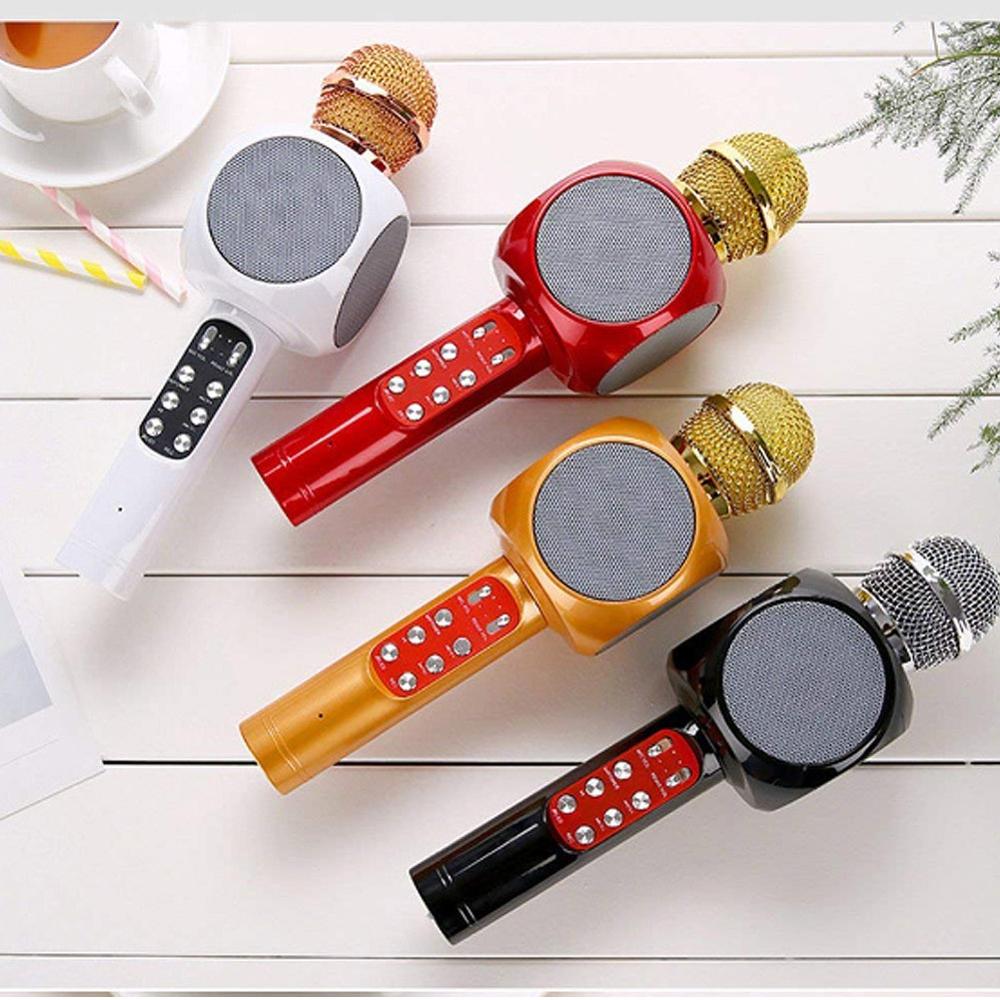
Gaodas Karaoke Mic
Gaodas offers an exceptional karaoke microphone that stands out for its versatility and performance. Key features include:
1. High Sensitivity: Captures detailed vocal performances.
2. Durability: Built to last in various settings.
3. Wireless Freedom: Allows unrestricted movement on stage.
4. Affordable Pricing: Provides excellent value for both amateur and professional use.
Choosing the right wireless microphone system, including options like Gaodas's Karaoke Mic, ensures you get the best performance and flexibility for your needs.

Sales address: 1503, Building C, Jinsheng Fortune Plaza, 33 Ansheng Road, Shajing Street, Baoan District, Shenzhen City, Guangdong Province Factory address: No.221, Dongxing Road, Tangxia Town, Dongguan City, Guangdong Province
Copyright © 2024 Shenzhen gaodashang electronics co.,Ltd.





 cindy.lee@gaodas.vip
 +86 13728756116